
Trauma Scene Cleanup
Trauma scene cleanup after accidents, injuries and violent events.
See trauma scene cleanupGet blood, bodily fluids and contaminated materials removed after an accident or injury in a home, workplace, vehicle or shared space in Snell Isle. Cleanup can begin after urgent care and any required scene release.
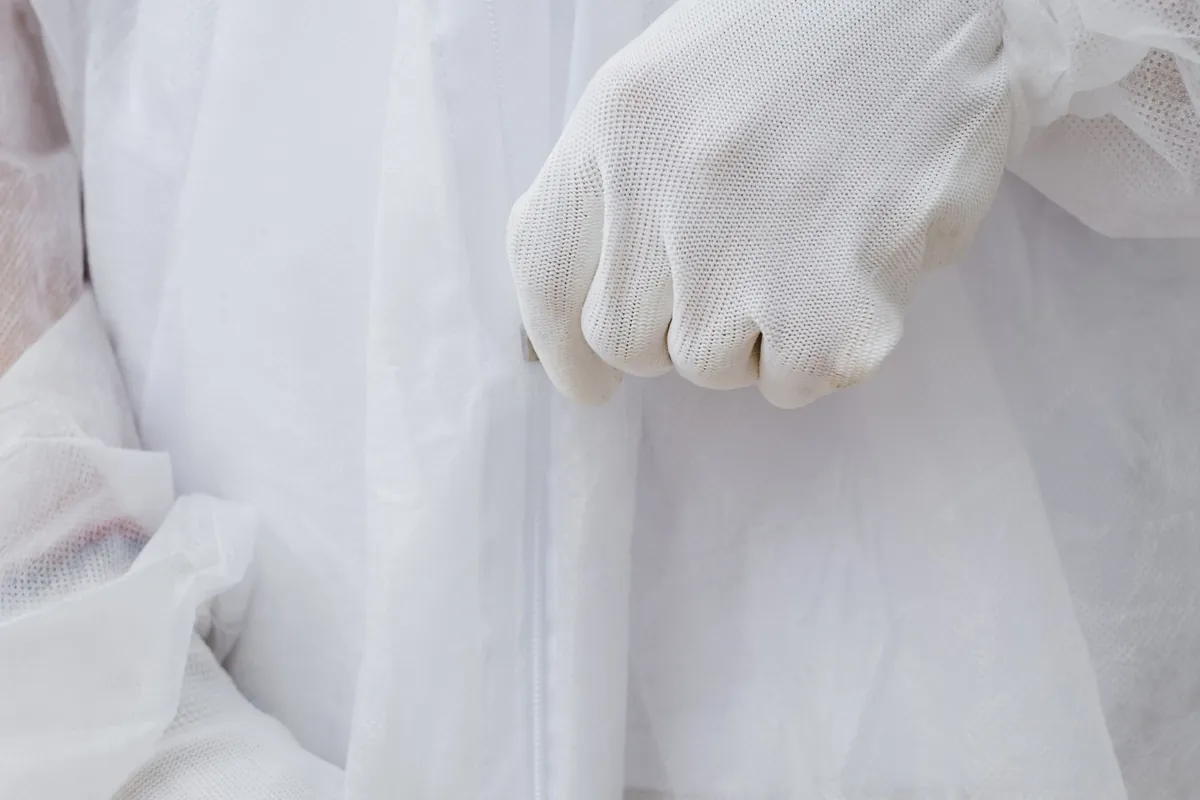
This service professionally cleans blood, bodily fluids and contaminated material left by an injury or accident in a public setting, residence, vehicle or workplace.
Medical treatment and emergency activity must finish before this service begins. When police are investigating, cleaning also waits until they release the scene. Cleanup technicians examine both the affected space and the areas around it. They establish boundaries and select methods suited to each surface. Their aim is removal of the contamination, not covering it up.
Blood removal and disinfection are part of accident cleanup, along with odor work, hazardous waste preparation and sorting personal property. Remediation may be needed under flooring, carpet or finished wall surfaces. The scope can range from one room affected by a small injury to several areas involved in a trauma. Replacement of materials belongs to restoration, which follows completed decontamination.
Unmarked vehicles bring crews to a work zone that remains controlled. The method supports privacy in shared buildings, commercial properties and homes.
When it is safe, you take part as important possessions are located and sorted. An item's location near the affected area alone does not mean it is thrown away.
Your insurance company, building manager or workplace file can receive organized photos, waste documents and scope records.
You are told what the cleanup involves, which materials might be removed and what affects cost before starting.
Professional accident scene cleaning may be appropriate when blood or another bodily fluid touches a surface that ordinary household cleaning cannot make safe. Situations that commonly require this service include:
More than the surface in view may be affected after a serious injury. Trauma cleanup includes checking seams, joints, baseboards and layers below flooring for contamination.
An injury can affect walkways, equipment and floors in offices, shops, warehouses or jobsites. Keep the affected areas closed while cleaning and disinfection are unfinished.
A lobby, sidewalk, restroom or shared hallway may need controlled access, careful blood spill cleanup and attention to surrounding areas where shoes or wheels could spread residue.
Blood or fluids can reach carpet, seat material, sound insulation and spaces behind trim. Some materials in a vehicle may need removal if complete disinfection or access is not possible during biohazard cleanup.
Get medical help first, then prevent contact with the affected area. These steps protect you and preserve clear information for the cleanup assessment:
Call (888) 440-9227Accident and trauma scene cleanup appears in published cost guides at $1,500 to $5,000 for each job, with a broader trauma scene span of $500 to $8,000 per job. Those ranges help with planning but do not serve as a quote. Your actual price depends on findings during assessment, including the volume of blood and bodily fluids, impacted materials, rooms involved and waste disposal needs.
These national ranges are taken from published cost guides, rather than a property visit. You learn what your property will cost after the on-site assessment and before any work begins.
Ask about cost: (888) 440-9227Insurance may cover accident scene cleanup, but coverage depends on the event, the property, the policy and who is responsible for the location.
When safety permits, ask the adjuster what is needed prior to throwing materials away. Photos, the cleanup scope, invoices and waste records can help insurance companies evaluate the loss.
Workplace cleaning services are typically coordinated by the person who owns the property or business. Employers should also follow their exposure plan and the OSHA rules that apply to workers who may contact blood.
Sudden damage related to blood or other bodily fluids may fall under homeowners or renters coverage. Call the insurance company to check whether the policy includes restoration, biohazard cleanup and removed materials.
Victims of violent crime can ask the Florida Attorney General's Bureau of Victim Compensation about cleanup, since its rules count crime scene cleanup costs as a compensable loss. Insurance is usually checked first.
Accident cleanup uses an ordered, controlled process to keep contamination from moving elsewhere. Although the scope changes with each scene, work proceeds from inspection and containment to waste disposal and the closing check.
During assessment, cleanup technicians identify surface types, personal property, nearby travel paths and the affected area. They explain the expected scope after documenting conditions that can be seen.
The work zone is separated from clean rooms. Technicians select protective equipment for the exposure and establish a route for supplies and sealed waste.
Bulk residue is collected through methods that control its spread. To prevent contaminant spread, the cleaning service works inward from cleaner boundaries toward the more heavily affected areas.
When fluids penetrate beyond complete reach and disinfection, removal may be necessary for carpet padding, drywall, unfinished wood or upholstery foam.
An EPA-registered disinfectant is applied only after the remaining surfaces have been cleaned. Keep the surface visibly wet throughout the entire label contact time.
Odor removal starts at its source. Ventilation and suitable air cleaning equipment may be used after contaminated material is gone, based on the room and the remaining odor.
Before transport, removed material and worn protective gear are sealed as required by applicable waste disposal rules. Records can aid insurance assistance and your property file.
A final check covers the work space and removed items, along with an explanation of restoration still required. You can move forward on repairs with support from photos and written records.

Call at any time. Your accident and injury scene cleanup specialist answers the phone, describes what happens next and works with you on a start time.
The risks include exposure to bloodborne pathogens from bodily fluids or blood, as well as contamination hidden in materials whose surfaces look clean.
You may find it distressing to clean a place where a person suffered a serious injury. A professional cleanup team allows coworkers, property owners and family members to stay away from the trauma scene.
Hepatitis B, hepatitis C and HIV are among the hazards blood can carry. According to the CDC, hepatitis B remains viable on surfaces for at least seven days, which means dried blood must still be considered a biohazard.
Fluid may soak through carpet to its pad, settle in furniture seams or reach gaps along baseboards. Wiping the top may leave contaminated materials beneath it.
Can you clean it yourself? A few fresh drops on an intact, non-porous surface may be manageable with disposable gloves and an EPA-registered disinfectant used for its full label contact time. Seek professional cleanup when blood reached carpet, upholstery, unfinished wood or wall cavities, when a sharp is present, or when you cannot see the full affected area.
How long the work takes is determined by area size, material types and whether hidden layers contain contamination. You should receive a clear schedule once an on-site assessment is complete, not an advance promise made without seeing the scene.
| Scene | Typical time on site |
|---|---|
| Small surface accident | The surface and spill perimeter are checked before timing is set |
| One room with porous materials | The schedule varies with disinfection, waste preparation and removal needs |
| Several rooms, a vehicle or structural layers | Time varies according to access, material removal and completion checks |
Odor work starts with locating and removing its cause. Using fragrance will not fix contamination hidden in upholstery, under carpeting or past the trim. If surface cleaning does not end the smell, nearby porous material and concealed areas are checked before the air is treated.
Ventilation or HEPA air scrubbing may be used for air quality after control of the source. Equipment needs to suit both the space and anyone who could occupy it. The team should explain what may remain, what requires removal and when the affected area is ready to move into restoration.
For workers who might contact blood, the OSHA Bloodborne Pathogens Standard, 29 CFR 1910.1030, establishes safeguards and requirements for protective equipment, training and exposure control.
For its planned blood cleanup use, the disinfectant should have EPA registration. Clean the surface before disinfection, and keep the applied product wet throughout its labeled contact period.
Florida calls it biomedical waste, and the term covers absorbent materials saturated with blood or body fluids. The Florida Department of Health's rules control packing, transport and treatment, so it cannot go in household trash.
Florida uses district medical examiners, with the Medical Examiners Commission under the Florida Department of Law Enforcement overseeing them. Cleanup starts after police or the medical examiner release the scene.
The full accident and injury scene cleanup guide covers what is cleaned or removed, odor and air quality work, and the rules that apply in Florida and Pinellas County.
Read the full accident and injury scene cleanup guide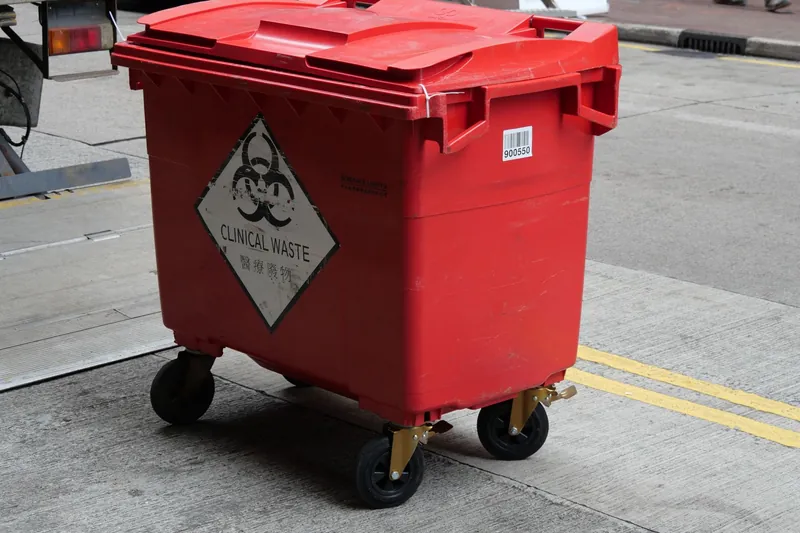
Local housing, population and access details can shape containment, access and cleanup planning.
The nearest listed emergency facility is Orlando Health Bayfront Hospital, about 2.1 miles away, so medical care remains separate from property cleanup.
Snell Isle is near Northeast Park, Historic Old Northeast, and Crescent Heights, which can matter when family members are arriving from surrounding communities.
Neighborhood level directions help narrow the location, but crews still need entrance details before bringing containment and cleaning equipment inside.
Ask on the call about cleanup options for neighboring communities and ZIP codes.
Trauma scene cleanup after accidents, injuries and violent events.
See trauma scene cleanup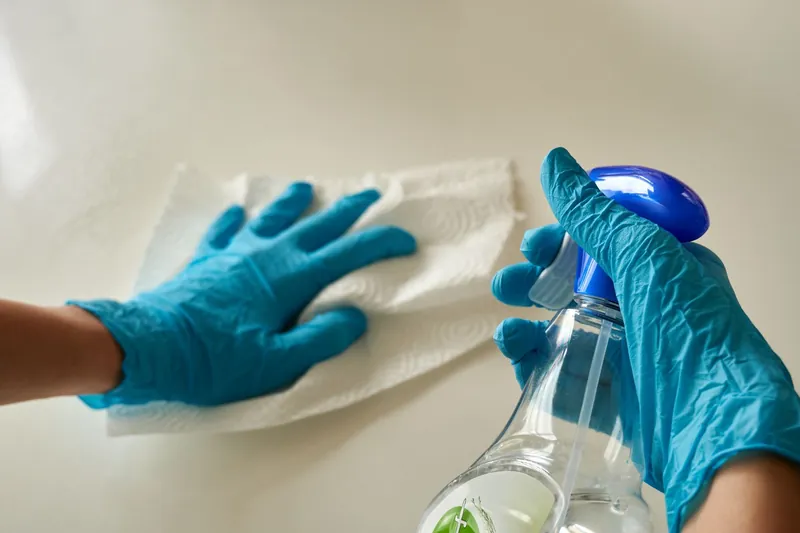
Blood cleanup on carpet, hard floors, walls and furniture with safe disposal.
See blood cleanup
Blood spill cleanup for fresh or dried spills of any size.
See blood spill cleanup
During cleanup, blood exposure involving hepatitis C, HIV and hepatitis B is controlled.
See bloodborne pathogen cleanup
Across care settings, commercial spaces and homes, bodily fluid cleanup includes disinfection.
See bodily fluid cleanup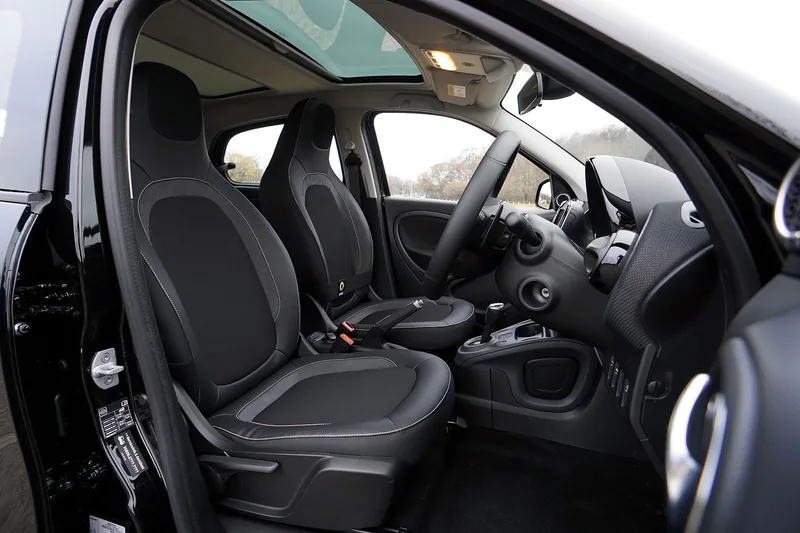
Biohazard cleanup covers vehicles including cars, trucks, recreational vehicles and boats.
See vehicle biohazard cleanup
Workplace biohazard cleanup addresses offices after injuries or exposure incidents.
See office and workplace biohazard cleanup
Biohazard waste is collected in labeled, sealed containers and taken for disposal.
See biohazard waste disposalRemain away from the restricted work zone. Leaving the entire property may depend on where the accident occurred, how gear and sealed waste will move, and which cleaning methods are used. Before starting, the crew should tell you about access restrictions and later let you know when the space is available again.
Care of the person falls to medical personnel or the medical examiner, and the property requires separate cleaning. After the scene is released, the property owner, employer, vehicle owner or another responsible party arranges death cleanup. Professionals remove blood and contaminated materials with care for personal property and the space.
If the non-porous surface is intact, you may manage a few fresh drops by wearing disposable gloves and applying an EPA-registered disinfectant exactly as directed. Avoid attempting the work if blood penetrated carpet or upholstered material, a sharp is involved, the spill covers a broad space, or you cannot trace where it went.
Clean exposed skin right away using soap and water. Use clean water to flush your mouth, eyes or nose following blood contact. For a needlestick, broken skin or contact with the eyes, nose or mouth, seek medical advice right away. Explain to the clinician when and how you were exposed so the guidance fits your situation.
Guides show accident and trauma cleanup at $1,500 to $5,000, with a wider published trauma scene range of $500 to $8,000. Your assessed price is shaped by fluid and blood volume, affected surfaces, waste disposal needs and how many rooms are involved.
It is possible. The responsible property party, policy terms, location and type of event all affect coverage. Tell your insurance company about the accident, then ask whether biohazard cleanup, removed items and restoration have coverage. Keep the photographs, disposal records, invoices and claim number required by your adjuster.
You can request respectful, discreet accident and injury scene cleanup 24 hours a day, and crews use unmarked vehicles.